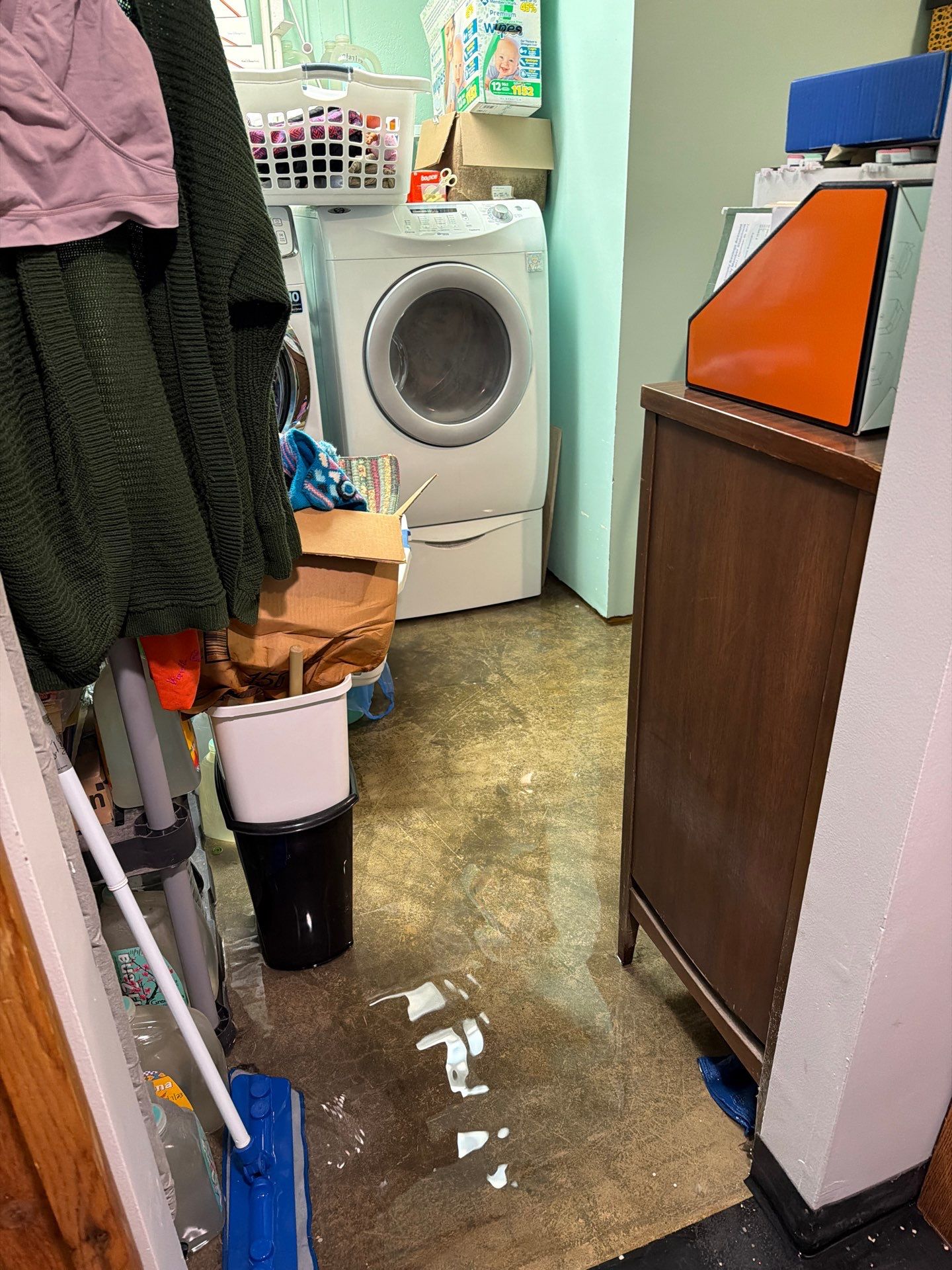
Problem: You Have No Idea What a Fair Starting Price Looks Like
Most Pebble Brook homeowners get their first water damage quote and have nothing to compare it to. That uncertainty is exactly what predatory contractors count on. The honest range for residential mitigation in central Indiana sits between $1,300 and $5,500 for a typical Category 1 (clean water) job affecting one or two rooms. Larger losses involving multiple floors, hardwood, or finished basements often land between $5,500 and $14,000. Sewage and groundwater jobs can climb past $20,000 because of contamination protocols.
Solution: Anchor Every Quote to These Three Cost Drivers
Before you sign anything, ask the contractor to break the price into three buckets. This is how legitimate restoration companies build estimates, and it lines up with how insurance adjusters review claims using Xactimate pricing.
- Water extraction and emergency mitigation, usually $400 to $1,800 depending on volume and access.
- Structural drying with air movers and dehumidifiers, typically $50 to $90 per piece of equipment per day across three to five days.
- Demolition and disposal of unsalvageable materials, ranging from $500 to $4,000 depending on drywall, flooring, and insulation removed.
If a quote arrives as one lump sum with no line items, push back. You can read more about how we structure transparent water damage restoration pricing for Pebble Brook properties before the trucks even arrive.
Problem: Hidden Costs Show Up After the Job Starts
The classic complaint we hear from Pebble Brook homeowners who hired the wrong company first is simple. The initial estimate looked reasonable, then change orders piled on. Asbestos testing in homes built before 1980. Cabinet removal nobody mentioned. Reconstruction quoted separately at double the mitigation rate. By week two, the bill has tripled.
Other surprises that show up mid-job include lead paint testing on older trim, content manipulation fees for moving heavy furniture, and containment barrier setup when work zones share air with living spaces. None of these are scams on their own. They become problems when nobody mentioned them during the walkthrough and they appear as line items after the equipment is already running.
Solution: Demand a Written Scope Before Equipment Goes In
Your scope document should list every affected room, every material to be removed, the drying target in moisture content percentage, and the estimated number of equipment days. If reconstruction is needed, ask for that estimate up front even if it is preliminary. Honest contractors give you ranges. Vague ones give you trust-me numbers.
Problem: Insurance Will Not Pay What You Expected
Homeowner policies in Indiana usually cover sudden and accidental water damage, like a burst pipe or appliance failure. They typically do not cover gradual leaks, surface groundwater, or sewer backups unless you carry a specific endorsement. That gap is where most Pebble Brook disputes happen, especially after spring storms or frozen pipe events in January and February.
Problem: Your Deductible Looks Bigger Than the Mitigation Bill
For smaller losses, like a slow dishwasher leak that affected one section of kitchen flooring, the total mitigation cost might land at $1,800 while your deductible is $2,500. Filing a claim makes no sense in that scenario, and it can actually hurt your premium renewal in Pebble Brook if you have filed within the past three years.
Solution: Confirm Emergency Rates Before Dispatch
Ask the dispatcher two questions on the phone. What is your trip charge or assessment fee for tonight, and is it credited toward the job if we move forward? Any Pebble Brook company that will not answer those clearly is one to skip. Pebble Brook Water Restoration quotes both numbers up front, every time, even at 2am.
Solution: Build Your Claim With Documentation From Day One
Before mitigation starts, photograph everything. Save the failed component (the burst pipe section, the cracked supply hose). Get moisture maps from your restoration company. Request the daily drying logs. Three quick wins that protect your claim:
- Call your insurer before demolition begins so an adjuster can inspect or approve mitigation in writing.
- Ask your contractor to bill using Xactimate line items, which adjusters already recognize.
- Keep receipts for hotel stays, meals out, and replacement essentials under additional living expense coverage.
If the damage came from a burst supply line, our breakdown of burst pipe water damage costs shows what to expect on the claim side specifically.
Problem: The Water Category Changes the Bill More Than Square Footage
Two basements of the same size can have wildly different price tags. A burst supply line is Category 1. A washing machine overflow that sat for 48 hours has degraded to Category 2 (gray water). A sewer backup is Category 3 (black water) and triggers PPE, antimicrobial application, and mandatory disposal of porous materials. The category, not the footprint, controls labor hours and material loss.
Time matters here too. Category 1 water turns into Category 2 within 24 to 48 hours once it sits against drywall, baseboards, and subflooring. That is why a Friday night leak discovered Monday morning often gets priced like a gray water job even though it started clean. The bacteria load, not the source, drives the classification once enough hours pass.
Solution: Run the Numbers Before You File
Get a written mitigation estimate first, compare it to your deductible, and factor in whether reconstruction will push the total above that threshold. Pebble Brook Water Restoration provides written estimates at no cost so Pebble Brook homeowners can make that decision with real numbers instead of guessing. Paying out of pocket for a small loss often beats a claim that bumps your rates for the next five years.
Solution: Identify the Category Before You Approve Scope
A reputable Pebble Brook restoration crew will tell you the category in the first walkthrough and document it with photos and moisture readings. That documentation is what protects your insurance claim later. For sewage situations, our sewage backup cleanup guide walks through exactly why Category 3 jobs require more equipment, more disposal, and more billing hours than a clean water loss of the same size.
Problem: Emergency Pricing Feels Like Price Gouging
After-hours response, holiday calls, and weekend dispatches do cost more. That is real. But the markup should be reasonable, usually a 15 to 25 percent emergency premium, not double the standard rate.